
All Departments
- Advanced Gait Evaluation & Management
- Ankylosing Spondylitis
- Cluster Headache
- Corticobasal Degeneration (CBD)
- Diagnostic Evaluation
- Disc Prolapse
- Dystonia
- Electrocardiogram (ECG)
- Electromyography (EMG)
- Epilepsy
- Guillain-Barré Syndrome (GBS)
- Headache & Pain Management
- Low Back Pain
- Low Back Pain
- Migraine
- Nerve Conduction Velocity (NCV)
- Neurological Disorder
- Other Chronic Headache Conditions
- Other Neurological Disorders
- Parkinson’s Disease
- Peripheral Neuropathy
- Personalized physiotherapy and mobility programs
- Potts Spine / Bone & Spine Tuberculosis
- Progressive Supranuclear Palsy (PSP)
- Radiculopathy
- Rehabilitation in various walking and movement disorders
- Rehabilitation Services
- Sacroiliitis
- Spasticity
- Specialized Treatments
- Spine & Musculoskeletal Disorders
- Tension-Type Headache
- Video EEG

Emergency Cases
+91 9839544407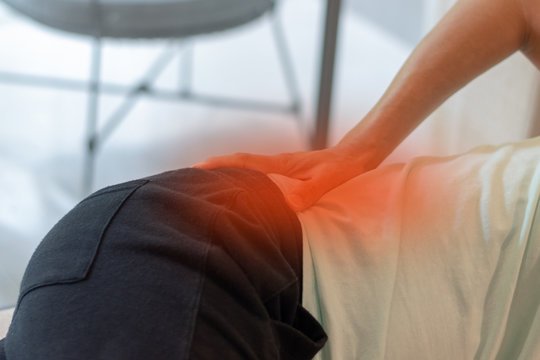
Sacroiliitis
Sacroiliitis refers to inflammation of one or both sacroiliac (SI) joints — the joints connecting the lower spine to the pelvis. This condition can cause pain in the lower back, buttocks, hips, or legs, and may worsen with prolonged standing, climbing stairs, or sitting for long periods.
Sacroiliitis can occur as an isolated condition or as part of a systemic inflammatory disease such as Ankylosing Spondylitis, Psoriatic Arthritis, or Reactive Arthritis. Because its symptoms often overlap with other causes of back pain, accurate diagnosis and targeted management are essential.
At our center, we offer a multidisciplinary approach for the diagnosis and treatment of sacroiliitis, aiming to relieve pain, control inflammation, and restore normal mobility and posture.
Our Approach
Our treatment approach focuses on:
Comprehensive assessment through clinical evaluation and imaging (X-ray, MRI, or CT scan)
Identification of underlying causes, such as autoimmune or mechanical factors
Customized treatment plans combining medication, physiotherapy, and lifestyle management
Prevention of chronic pain and stiffness through early intervention
Symptoms We Manage
Deep, aching pain in the lower back, buttocks, or hips
Pain that worsens with prolonged standing, climbing, or sitting
Stiffness in the lower back and pelvis, especially in the morning or after rest
Pain radiating to the thighs or groin (mimicking sciatica)
Limited movement and discomfort during walking or bending
Inflammatory symptoms such as warmth or tenderness over the SI joints
Common Causes of Sacroiliitis
Inflammatory arthritis: Ankylosing Spondylitis, Psoriatic Arthritis, or other spondyloarthropathies
Mechanical stress: Leg length discrepancy, pregnancy, or postural imbalance
Infection: Bacterial or tuberculosis-related sacroiliitis
Trauma or overuse: Sports injuries, falls, or repetitive strain
Degenerative changes: Osteoarthritis or joint wear over time
Treatment Options
Medical Management
Anti-inflammatory medications (NSAIDs): To relieve pain and reduce inflammation
Disease-Modifying Drugs (DMARDs or Biologics): For inflammatory or autoimmune causes
Corticosteroid Injections: Targeted SI joint injections for persistent or severe pain
Antibiotic therapy: In cases of infection-related sacroiliitis
Regular monitoring: To track response and prevent progression
Physiotherapy and Rehabilitation
Postural correction and pelvic stabilization exercises
Stretching and strengthening routines for the lower back, hips, and core muscles
Manual therapy and mobilization of the SI joint to improve flexibility
Heat or ultrasound therapy for pain reduction
Ergonomic and movement training to prevent mechanical stress
Lifestyle and Supportive Management
Guidance on maintaining an active lifestyle with safe exercise routines
Weight management to reduce stress on the pelvis and spine
Use of supportive belts or braces if necessary
Education on proper sitting, lifting, and movement techniques
Stress and sleep management to control chronic pain
Our Multidisciplinary Sacroiliitis Care Team
Our integrated care model includes:
Rheumatologists and spine specialists
Pain management experts
Physiotherapists experienced in pelvic and spinal rehabilitation
Radiologists for diagnostic imaging and guided injections
Counselors and nutritionists for holistic support
This collaborative approach ensures accurate diagnosis, personalized treatment, and comprehensive rehabilitation.
Goals of Sacroiliitis Management
Our objectives are to:
Relieve pain and inflammation in the sacroiliac joints
Improve mobility, posture, and pelvic stability
Identify and treat underlying systemic causes
Prevent chronic stiffness and structural damage
Restore functional independence and quality of life