All Departments
- Advanced Gait Evaluation & Management
- Ankylosing Spondylitis
- Cluster Headache
- Corticobasal Degeneration (CBD)
- Diagnostic Evaluation
- Disc Prolapse
- Dystonia
- Electrocardiogram (ECG)
- Electromyography (EMG)
- Epilepsy
- Guillain-Barré Syndrome (GBS)
- Headache & Pain Management
- Low Back Pain
- Low Back Pain
- Migraine
- Nerve Conduction Velocity (NCV)
- Neurological Disorder
- Other Chronic Headache Conditions
- Other Neurological Disorders
- Parkinson’s Disease
- Peripheral Neuropathy
- Personalized physiotherapy and mobility programs
- Potts Spine / Bone & Spine Tuberculosis
- Progressive Supranuclear Palsy (PSP)
- Radiculopathy
- Rehabilitation in various walking and movement disorders
- Rehabilitation Services
- Sacroiliitis
- Spasticity
- Specialized Treatments
- Spine & Musculoskeletal Disorders
- Tension-Type Headache
- Video EEG

Emergency Cases
+91 9839544407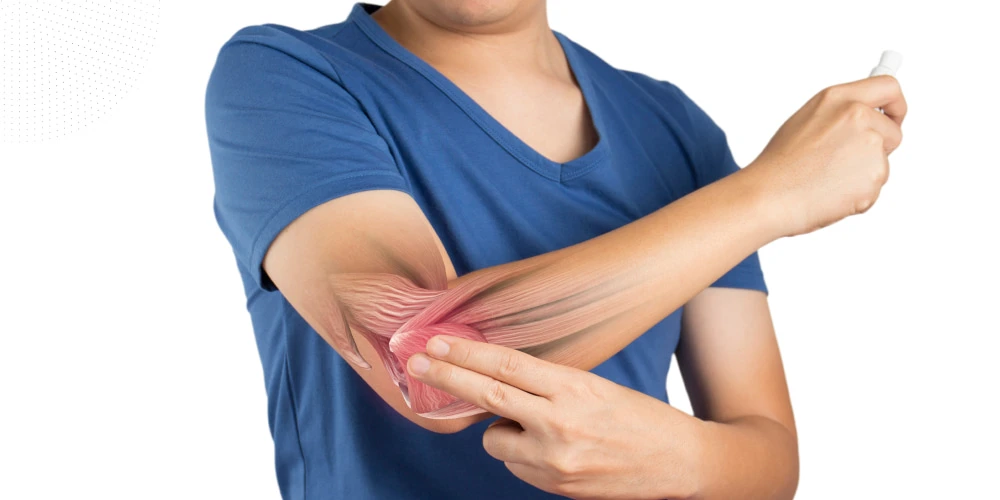
Dystonia
Dystonia is a neurological movement disorder characterized by involuntary muscle contractions that cause repetitive movements or abnormal postures. It can affect any part of the body and vary in severity, significantly impacting daily life and physical functioning.
At our center, we offer a comprehensive dystonia management program that combines precise diagnosis, advanced treatment methods, and rehabilitation strategies to improve quality of life.
Our Approach
Dystonia management requires a tailored, multidisciplinary approach. Our team focuses on:
Accurate diagnosis through detailed clinical assessment and advanced imaging techniques
Identifying the type and cause of dystonia
Developing individualized treatment plans to control symptoms and improve function
Regular follow-up and adjustments to ensure optimal outcomes
Types of Dystonia We Manage
Our care program addresses a wide range of dystonia types, including:
Focal dystonia (affecting one part of the body)
Segmental dystonia (affecting adjacent body parts)
Generalized dystonia (affecting multiple parts of the body)
Cervical dystonia (neck muscle involvement)
Blepharospasm (involuntary eyelid closure)
Oromandibular dystonia (affecting jaw and mouth muscles)
Treatment Options
Medication Management
Oral medications to control muscle contractions and reduce symptoms
Adjustments based on individual response and side effects
Botulinum Toxin Therapy
Targeted injections to relax affected muscles and improve movement
Considered the gold standard for focal dystonia
Physical and Occupational Therapy
Exercises to improve flexibility, coordination, and muscle control
Adaptive techniques to assist daily activities and improve comfort
Deep Brain Stimulation (DBS)
Advanced surgical option for severe, medication-resistant dystonia
Improves movement control and quality of life in selected patients
Supportive Care
Counseling for coping with chronic symptoms
Education for patients and caregivers on managing dystonia
Our Multidisciplinary Dystonia Care Team
Our expert team includes:
Neurologists specialized in movement disorders
Pain management specialists
Neurosurgeons (for DBS and advanced interventions)
Physiotherapists
Occupational therapists
Psychologists and counselors
This integrated approach ensures comprehensive, patient-centered care.
Goals of Dystonia Management
Our aim is to:
Reduce involuntary muscle contractions and abnormal postures
Improve functional ability and quality of life
Prevent complications and secondary issues
Provide emotional and psychological support
Empower patients and caregivers with knowledge and strategies for daily living