All Departments
- Advanced Gait Evaluation & Management
- Ankylosing Spondylitis
- Cluster Headache
- Corticobasal Degeneration (CBD)
- Diagnostic Evaluation
- Disc Prolapse
- Dystonia
- Electrocardiogram (ECG)
- Electromyography (EMG)
- Epilepsy
- Guillain-Barré Syndrome (GBS)
- Headache & Pain Management
- Low Back Pain
- Low Back Pain
- Migraine
- Nerve Conduction Velocity (NCV)
- Neurological Disorder
- Other Chronic Headache Conditions
- Other Neurological Disorders
- Parkinson’s Disease
- Peripheral Neuropathy
- Personalized physiotherapy and mobility programs
- Potts Spine / Bone & Spine Tuberculosis
- Progressive Supranuclear Palsy (PSP)
- Radiculopathy
- Rehabilitation in various walking and movement disorders
- Rehabilitation Services
- Sacroiliitis
- Spasticity
- Specialized Treatments
- Spine & Musculoskeletal Disorders
- Tension-Type Headache
- Video EEG

Emergency Cases
+91 9839544407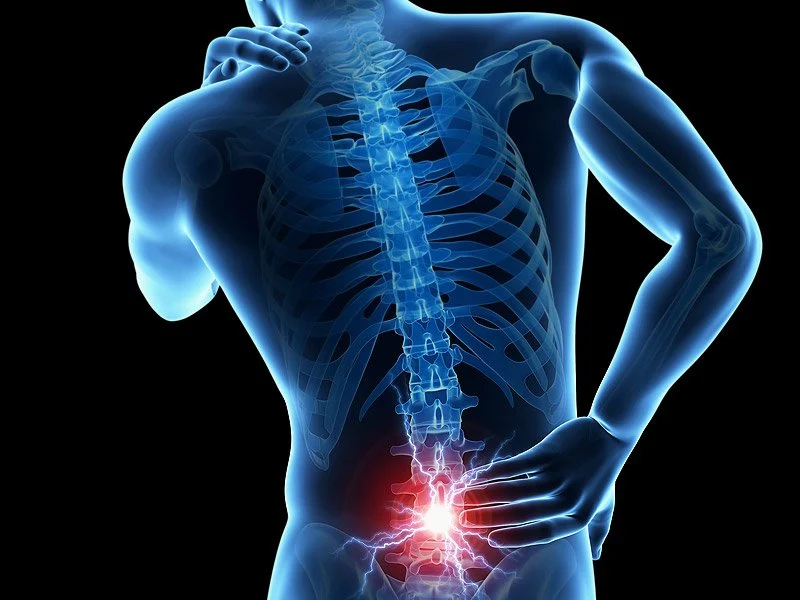
Low Back Pain
Low back pain is one of the most common musculoskeletal conditions affecting people of all ages. It can result from poor posture, muscle strain, degenerative spinal changes, herniated discs, or underlying medical conditions. Low back pain may be acute (short-term) or chronic (long-term) and can significantly impact mobility, work performance, and quality of life.
At our center, we offer a comprehensive and evidence-based approach to diagnosing and treating low back pain. Our goal is to relieve pain, restore mobility, and prevent recurrence through a combination of medical, interventional, and rehabilitative therapies.
Our Approach
Effective management of low back pain begins with identifying its cause and addressing both the symptoms and underlying contributing factors. Our approach includes:
Detailed clinical assessment and imaging (X-ray, MRI, or CT scan if required)
Personalized treatment plans based on pain type and severity
Integration of medical, physiotherapy, and lifestyle interventions
Focus on long-term recovery and prevention of recurrence
Common Causes of Low Back Pain
Muscle or ligament strain due to improper lifting or overuse
Herniated or bulging intervertebral discs
Degenerative disc disease and osteoarthritis
Spinal stenosis (narrowing of the spinal canal)
Poor posture or sedentary lifestyle
Trauma or sports injuries
Inflammatory or infectious spinal conditions (e.g., spondylitis, Pott’s spine)
Symptoms We Manage
Dull, aching, or sharp pain in the lower back
Pain radiating to the buttocks, thighs, or legs (sciatica)
Muscle stiffness and restricted movement
Tingling, numbness, or weakness in the lower limbs
Difficulty standing, walking, or performing daily activities
Treatment Options
Medical Management
Pain relief medications and anti-inflammatories
Muscle relaxants for acute spasms
Nerve pain medications for radiating pain (sciatica)
Epidural or facet joint injections for targeted pain relief in chronic cases
Physiotherapy and Rehabilitation
Posture correction and ergonomic training
Strengthening exercises for core and back muscles
Stretching and flexibility programs
Manual therapy and spinal mobilization
Hydrotherapy and electrotherapy for pain reduction
Interventional and Advanced Therapies
Image-guided injections (nerve blocks, epidural steroid injections)
Radiofrequency ablation for chronic pain relief
Minimally invasive spine procedures for selected cases
Lifestyle and Preventive Care
Weight management and fitness guidance
Workplace ergonomics and body mechanics training
Education on injury prevention and spine care
Yoga and relaxation exercises for stress-related back pain
Our Multidisciplinary Low Back Pain Care Team
Our team includes:
Spine specialists and orthopedic doctors
Neurologists for nerve-related back pain
Physiotherapists and rehabilitation experts
Pain management specialists
Occupational therapists and ergonomists
This collaborative approach ensures comprehensive care addressing both the physical and functional aspects of low back pain.
Goals of Low Back Pain Management
Our objectives are to:
Relieve pain and inflammation
Restore flexibility, strength, and posture
Improve mobility and daily function
Prevent recurrence and chronicity
Enhance long-term spinal health and quality of life